5 Powerful Ways to Improve Soil Health Naturally
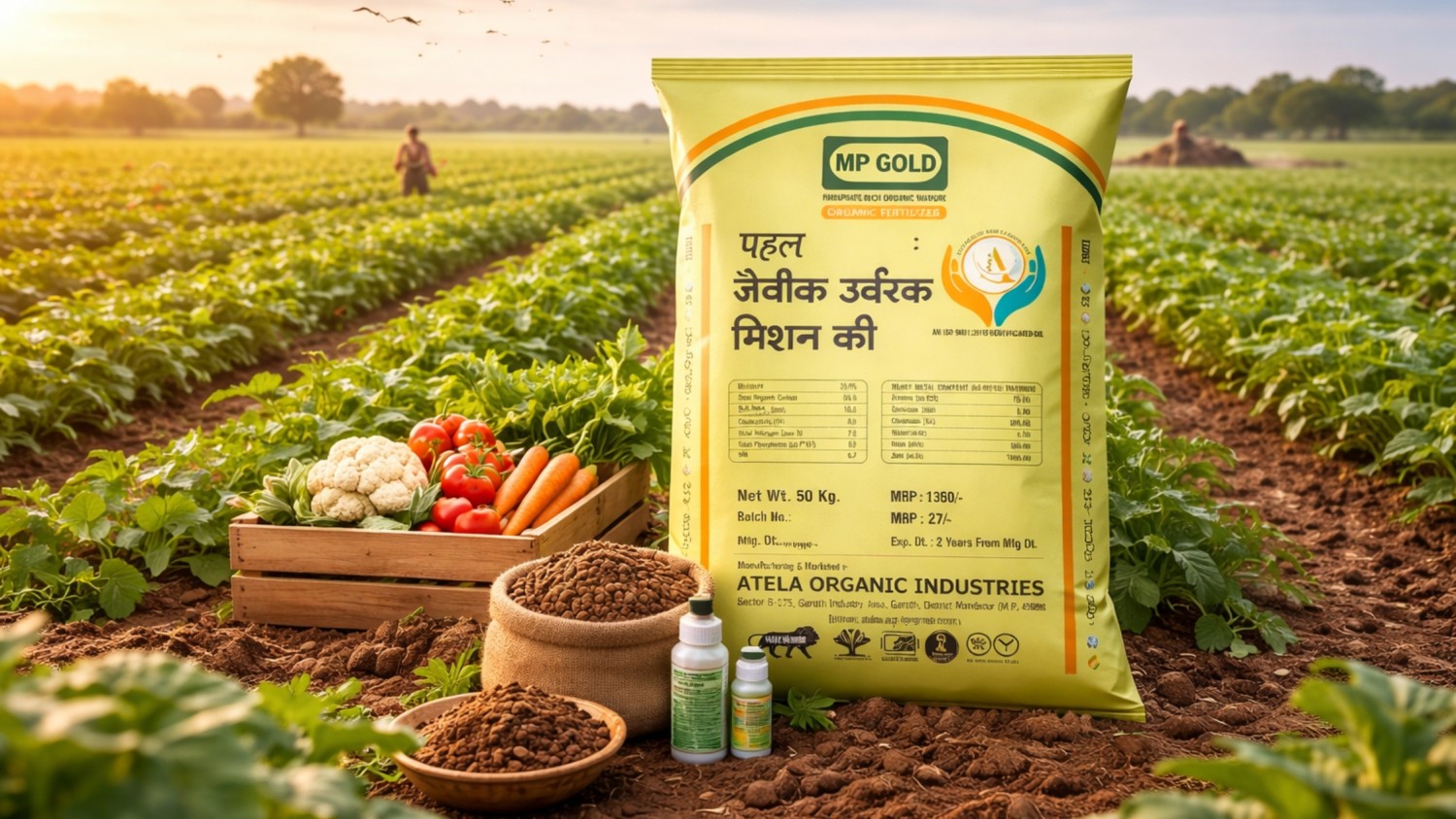
Healthy soil is the backbone of successful farming. Whether you're a small farmer, home gardener, or large-scale cultivator, the quality of your soil directly impacts your crop yield, plant health, and long-term sustainability. Unfortunately, excessive use of chemical fertilizers and poor farming practices have degraded soil health over time.
The good news is that you can restore and improve your soil naturally without harming the environment or increasing costs. Let’s explore five effective and natural ways to improve soil health and boost productivity.
1. Add Organic Matter (Compost is Gold)
One of the easiest and most powerful ways to improve soil health is by adding organic matter like compost, farmyard manure, or crop residues.
Organic matter:
Improves soil structure
Increases water retention
Enhances microbial activity
Provides essential nutrients
Compost acts like a natural fertilizer that slowly releases nutrients, ensuring plants get what they need over time. It also helps sandy soils retain moisture and improves drainage in clay soils.
Tip: Use kitchen waste, crop residues, and animal dung to prepare your own compost at low cost.
2. Practice Crop Rotation
Growing the same crop repeatedly in the same field can deplete specific nutrients and increase pest problems. Crop rotation is a simple yet highly effective solution.
For example:
Rotate cereals such as wheat or maize with legumes such as pulses
Legumes fix nitrogen in the soil, naturally enriching it
Benefits of crop rotation:
Improves soil fertility
Reduces pests and diseases
Enhances soil structure
Example rotation: Soybean → Wheat → Gram
This practice not only improves soil health but also reduces dependency on chemical fertilizers.
3. Use Green Manure Crops
Green manure crops like sunhemp, dhaincha, or cowpea are grown specifically to improve soil fertility. These crops are plowed back into the soil while still green.
Why use green manure:
Adds organic matter
Improves soil texture
Increases nitrogen content
Boosts microbial activity
It is like feeding your soil directly.
Tip: Grow green manure crops during the off-season or before the main crop for maximum benefit.
4. Mulching: Protect and Nourish Soil
Mulching involves covering the soil surface with materials like straw, leaves, grass, or crop residues.
Benefits of mulching:
Reduces water evaporation
Controls weeds
Maintains soil temperature
Prevents soil erosion
Adds organic matter over time
Mulch acts as a protective layer for your soil, keeping it healthy and active.
Bonus: It reduces irrigation needs, saving both water and labor.
5. Encourage Soil Life (Microbes and Earthworms)
Healthy soil is alive. Microorganisms and earthworms play a crucial role in maintaining soil fertility.
They:
Break down organic matter
Improve soil aeration
Enhance nutrient availability
To encourage soil life:
Avoid excessive chemical fertilizers and pesticides
Use organic inputs like vermicompost
Maintain proper soil moisture
Earthworms, often called farmers’ friends, naturally till the soil and improve its structure.
Tip: Try vermicomposting to increase earthworm activity and produce high-quality organic fertilizer.
Final Thoughts
Improving soil health naturally is not just a farming technique, it is a long-term investment in sustainability. By adopting these natural practices, you can:
Increase crop yield
Reduce input costs
Improve soil fertility for future generations
Healthy soil leads to healthy crops and better profits. Start small, stay consistent, and your soil will reward you with better productivity year after year.